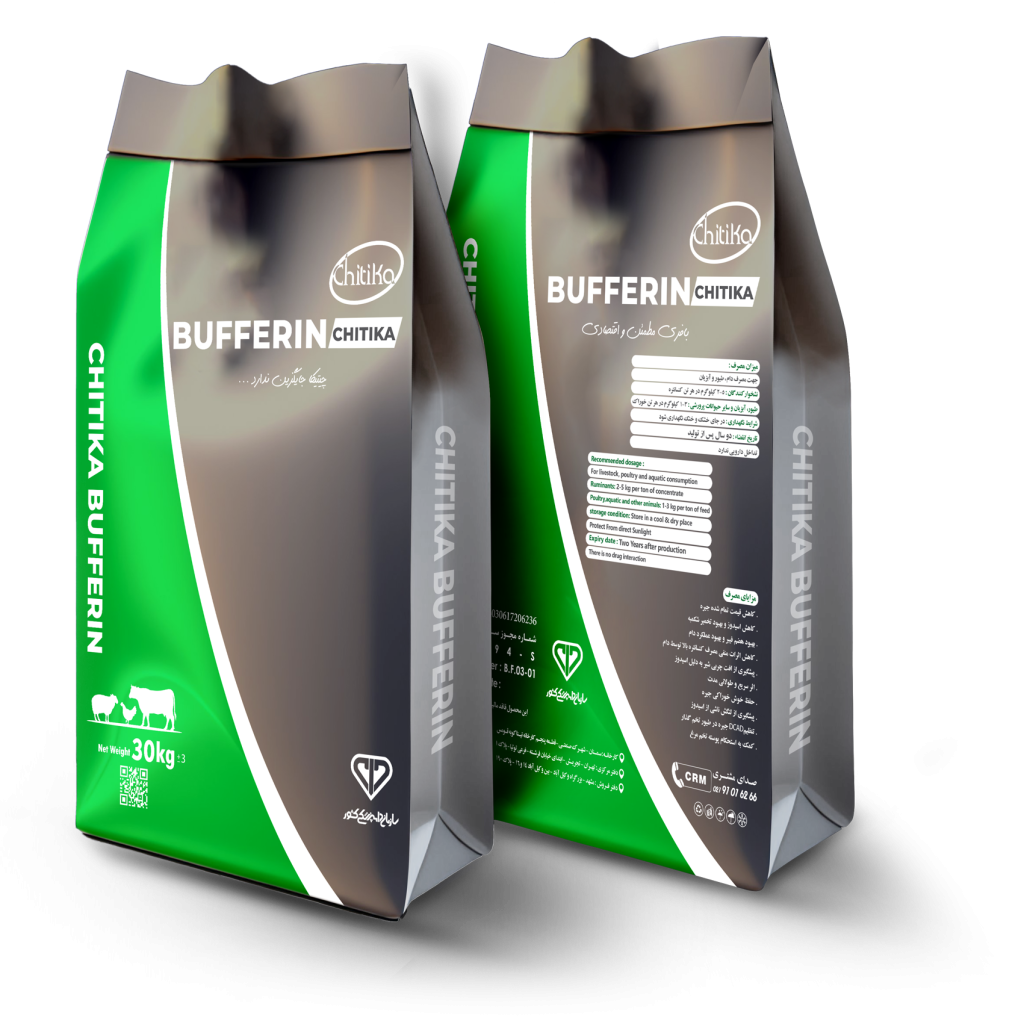
Reliable and cost-effective buffer
Contact us for pricing
A buffer is a compound that counteracts the increase in acidity in the rumen of ruminants. It is a weak acid, and its salt is a weak base. Buffers help the rumen resist changes in acidity when consuming high-concentrate diets. They increase the ratio of acetate to propionate, which improves fiber digestion.
Buffers work differently from alkalizers. Their major advantage is maintaining pH within a limited range. In contrast, alkalizers (such as magnesium oxide and magnesium hydroxide) change pH according to the amount of acid or base added and may cause undesirable side effects.
The acid-base balance in livestock is regulated by minor changes in hydrogen ion concentration, which can either slow down or accelerate chemical reactions in cells. High hydrogen ion concentration leads to acidosis. To prevent acidosis, the body utilizes three natural systems:
Sodium Bicarbonate
Sodium bicarbonate, commonly known as baking soda (chemical formula NaHCO₃), is the most widely used livestock buffer. It is a white, solid, powdery compound that acts as an amphoteric substance in water, functioning as either an acid or a base. Despite its widespread use, it has a major drawback: its high solubility in the rumen. While it effectively maintains rumen pH and reduces the risk of acidosis, it negatively affects feed digestion. This buffer accelerates the passage of feed through the rumen, reducing digestion but lowering the risk of acidosis. Therefore, using a slower-release buffer is recommended for prolonged neutralization of rumen acidity.
The Importance of Buffers in Dairy Farming
The dairy industry faces pressure to meet the growing demand for milk and dairy products. To increase milk production, a higher percentage of concentrates is included in the diet, but this can harm the rumen environment and challenge livestock productivity. To counter these negative effects and prevent subacute rumen acidosis (SARA), various additives are used, with buffers playing a crucial role. Studies show that buffers not only maintain rumen homeostasis but also enhance livestock productivity.
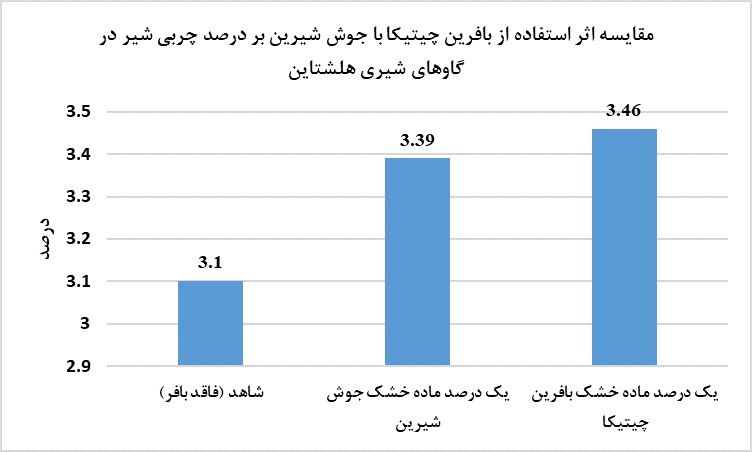
High-concentrate diets (with limited effective fiber) can cause metabolic disorders in dairy cows, with SARA being the most common. SARA leads to significant financial losses due to reduced dry matter intake, impaired fiber digestion, decreased milk fat, laminitis, liver inflammation, and even death.
Comparison of Chitika Buffer and Sodium Bicarbonate
Chitika Buffer provides fast and long-lasting effects, influencing starch digestion in the intestines. Its cost is lower than sodium bicarbonate, reducing overall feed costs.
Dosage Recommendations:
| Livestock Type | Dosage per Ton of Concentrate |
|---|---|
| Dairy Cows | 13 to 18 kg |
| Fattening Calves | 10 to 15 kg |
| Sheep and Goats | 8 to 10 kg |


Multi-component Powerful Toxin Binder
Powerful multi-component toxin binders in Iran
A powerful multi-component toxin binder based on organic and inorganic materials
Live yeast specifically for livestock, poultry, and aquatic animals
Special Live Yeast for Livestock, Poultry, and Aquatic Animals
Chitika Probiotic Supplement
Contains charcoal from natural and plant-based sources.
چیتیکا یار ( هوش مصنوعی )