
Impact of heat stress during close-up dry period on performance, fertility and immunometabolic blood indices of dairy cows: prospective cohort study
Barbara Stefanska 1, Ewa Pruszynska-Oszmalek 2, Veerle Fievez 3, Cezary Purwin 4, Włodzimierz Nowak 5
The aim of this study was to investigate whether heat stress (temperature-humidity index (THI)) during the dry period close to calving affects the production performance, fertility and immunometabolic blood indices of dairy cows in the next lactation.
Lactation performance was associated with increased THI values on days 21, 14 and 7 before calving, which resulted in a decrease in milk production of approximately 2.30, 2.60 and 2.90 kg, respectively.
THI on day 7 before calving was associated with negative reproductive parameters such as delay in first postpartum estrus, increased interval between calvings by about 32 days, increased number of inseminations per pregnancy by 1.00, and increased artificial insemination service period, open days, and interval between calvings by about 20, 52, and 52 days, respectively.
The results showed that blood immune-metabolic indices were associated with increased THI values in the dry period close to calving. The results of the present study showed that exposure of dairy cows to heat stress in the dry period close to calving has negative consequences on performance, fertility, and blood immune-metabolic indices in the next lactation.
Therefore, it is recommended that changes in herd management and changes in barn climate start at the end of the dry period to reduce the negative effects of heat stress.
Keywords: Global warming, climate change, temperate climate, metabolic adaptation, energy balance, immune response
Global warming poses a significant threat not only to human health worldwide, but also to livestock production. Reports from international and government research centers have consistently shown a systematic warming trend of the Earth’s climate. If climate change continues unchecked, temperatures are projected to increase by up to 4°C by 2100. This poses a significant challenge for cattle farmers, as dairy cows are highly sensitive to changes in environmental conditions, including increases in air temperature (AT) and relative humidity (RH). This sensitivity is due to their high metabolic heat production associated with rumen fermentation and nutrient metabolism in the liver. The combination of increased metabolic heat production and climate change leads to heat stress (HS), a physiological condition in which the total heat load, including environmental heat and internal heat production, exceeds the body’s capacity to dissipate heat. This condition reduces the thermal comfort of cows. When critical high air temperatures and relative humidity exceed a certain threshold, the cows’ adaptive mechanisms fail to effectively dissipate the excess heat produced. To more accurately assess heat stress (HS), bioclimatic indices such as the temperature-humidity index (THI) have been developed, which take into account air temperature (AT) and relative humidity (RH). Different authors have proposed different threshold values of THI, usually in the range of 68 to 74 units⁶, depending on the climatic region. A THI value of 68 is frequently used as an index of heat stress in lactating cows⁷ and dry cows⁸ in temperate climatic regions⁹,¹⁰. This threshold was derived from a series of eight studies in which milk yield of 100 high-producing Holstein cows was reduced by 2.2 kg/day per 24-hour period with a daily THI of 68. While the biological mechanisms underlying heat stress during the final dry period are not yet well understood¹¹,¹², it is believed that these metabolic changes explain approximately 50% of the observed reduction in milk production¹³, as well as the increase in the number of open days and insemination frequency in the subsequent lactation¹⁴. Therefore, accurate prediction of heat stress and identification of the periods with the greatest negative impact are crucial to maintaining the welfare, performance and fertility of lactating cows. This becomes even more important given the predicted increase in the frequency of high-temperature days due to climate change and the high sensitivity of lactating cows to heat stress¹⁵.
Currently, there is limited scientific data on the residual effects of heat stress, as assessed using THI, particularly in temperate Eastern Europe during the critical transition period, where the dairy industry is an important part of livestock production¹⁶. The transition from non-lactating to lactating can be a challenging period for lactating cows and is associated with significant physiological changes due to negative energy balance (NEB) and increased immune dysfunction¹⁷. These changes have adverse effects on the health, milk production and reproductive performance of cows. Around calving, inflammation is observed in almost all cows, often resulting from tissue remodeling and bacterial infections¹⁸. Dysfunction of the inflammatory function affects the metabolic state of lactating cows with increased lipolysis and higher levels of non-esterified free fatty acids (NEFA).¹⁹.
Heat stress also causes disturbances in hepatic nutrient metabolism, similar to those observed during transition and under NEB conditions. Currently, researchers are investigating biomarkers that may elucidate the biological mechanisms linking heat stress and NEB to immunity in lactating cows during the postpartum transition. These mechanisms may affect performance and fertility during lactation.¹². While the THI is a valuable tool for assessing heat stress, it does not account for individual variability. Immune markers such as interleukin 1 (IL-1), interleukin 6 (IL-6), and factit
Tumor necrosis factor-alpha (TNF-α) can be investigated as potential complementary markers to confirm the heat stress status in animals²⁰.
Therefore, it would be interesting to investigate the physiological changes during the dry period near calving under heat stress conditions, as they may affect the immune-metabolic status of lactating cows in the subsequent lactation. Understanding the effects of heat stress during the dry period near calving can be very helpful in making informed management decisions during this critical phase. Implementing interventions such as shading to prevent direct sunlight, using water spray to increase conductive heat loss, and improving ventilation to facilitate evaporative cooling can be helpful in reducing the consequences of heat stress and thus improving milk production, reproductive performance, and the immune-metabolic status of lactating cows in the subsequent lactation.
In the present study, we hypothesized that heat stress during the dry period near calving would be associated with reduced production performance, fertility, and changes in immune-metabolic blood indices of lactating cows in the subsequent lactation. The aim of this study was to evaluate whether heat stress, as determined by THI during the dry period near calving, had an effect on production performance, fertility, and immune-metabolic blood indices of lactating cows in the subsequent lactation.
Results: Lactation performance and body condition score
In this study, increasing THI on days −21, −14, and −7 before calving reduced milk yield by approximately 2.30, 2.60, and 2.90 kg, respectively (Tables 1, 2, 3). In contrast, decreasing THI on day −21 before calving increased milk fat and protein (P ≤ 0.01). However, increased THI values on days −14 and −7 before calving were associated with the highest milk fat percentage (P ≤ 0.01). Increased THI values on all days analyzed during the dry period near calving were associated with increased milk somatic cells (P ≤ 0.01). No significant relationship was observed between THI values during the dry period near calving and milk urea nitrogen (MU) concentration.
Specifically, lactating cows exposed to heat stress (THI > 72) on days −14 and −7 before calving showed a decrease in myristic acid content (P ≤ 0.05) as well as saturated fatty acids, short-chain fatty acids, and medium-chain fatty acids (P ≤ 0.01). In contrast, increased THI values on the same days analyzed during the dry period near calving were associated with an increase in unsaturated fatty acids and long-chain fatty acids (P ≤ 0.01). However, no significant association was observed between THI values on day −21 before parturition and milk fatty acid profile. Also, no significant association was observed between THI values on days −14 and −7 before parturition with specific fatty acids such as palmitic acid, stearic acid, and oleic acid and their groups such as (monounsaturated fatty acids) MUFA, (polyunsaturated fatty acids) PUFA, trans fatty acids, and ratios such as MCFA/SCFA, SFA/UFA, and DI18.
THI values on days −14 and −7 before parturition were associated with a linear decrease in body condition score (BCS) on the day of parturition and 21 days postpartum (P ≤ 0.01).
Fertility and Blood Immunometabolic Indices
Heat stress (HS) during the dry period near calving appears to be associated with both reproductive parameters and blood immunometabolic indices in lactating cows (Tables 4, 5, 6). Increased THI on day −7 before calving was associated with a delay in the onset of the first postpartum estrus and an increase in the calving interval (P ≤ 0.05), with each of these parameters being prolonged by approximately 32 days. In addition, increased THI on day −7 before calving was associated with a decrease in fertility indices (P ≤ 0.05), including an increase in the number of inseminations per pregnancy by approximately 1.00, and an increase in the artificial insemination (AI) service period, number of open days, and intercalving interval by approximately 20, 52, and 52 days, respectively. However, no significant association was observed between THI values on days −21 and −14 before parturition in the dry period close to parturition and reproductive performance.
Blood immunometabolic indices were associated with the evaluated parameters including THI in the dry period close to parturition. Increased THI values on days −21, −14 and −7 before parturition were associated with increased concentrations of free fatty acids and TNF-α (proinflammatory cytokines) (P ≤ 0.05). Also, increased THI on day −7 before parturition was associated with increased concentrations of insulin, FSH and blood biochemical indices related to the immune response such as (interleukin-1) IL-1 and (interleukin-6) IL-6. In contrast, it was associated with decreased concentrations of IGF-I and LH (P ≤ 0.05). However, no significant association was observed between THI values on days −21 and −14 before calving and the concentrations of all analyzed blood immunometabolic markers, except NEFA and TNF-α.
Discussion
Climate change has a direct and worrying impact on livestock performance and welfare. Increased temperature and other environmental factors, such as relative humidity, contribute to the occurrence of heat stress (HS) in livestock, which is considered one of the most important problems worldwide [6]. There is considerable evidence that indicates the potential negative effects of heat stress on lactating herds. However, most published studies in this field have mainly focused on its effects on lactating cows [21], calves and young cows [22–25]. Also, the effectiveness of feed additives in reducing the negative consequences of heat stress [26, 27] and farm management changes, including the use of cooling systems such as ventilation combinations
and water spraying, especially during lactation [28]. Furthermore, there are limited scientific data on the residual effects of heat stress occurrence defined by the thermal temperature index (THI) during the dry period near calving, a critical period for high-yielding dairy cows in transition, on production performance, fertility, and immunometabolic status during the subsequent lactation.
The present study presents data from a prospective study and the heat stress occurrence model used is similar to previous studies [15,16,29]. These studies, like ours, collected data during a single summer season and cows were kept under similar conditions and exposed to the same photoperiod. Therefore, the observed associations in performance and other variables are likely to be mainly influenced by heat challenge. However, it is important to note that our study was conducted as a prospective cohort study on five commercial dairy farms. Due to the nature of the field studies, it was not possible to measure individual parameters such as dry matter intake (DMI), body weight and their changes. This limitation may have influenced the results and obscured some effects. In addition, blood sampling was performed only once, at three weeks postpartum and during routine veterinary activities, which is another limitation of our study. Nevertheless, the observed associations in physiological changes serve as a valuable observational study and provide a basis for further research under controlled conditions. This is particularly important in light of the need to elucidate the adaptive mechanisms that link heat stress and the occurrence of negative energy balance (NEB) to the immune response of lactating cows, especially during the relatively poorly understood transition period.
Dry cows are susceptible to heat stress not only during lactation but also during the dry period preceding lactation. Cows exposed to heat stress (HS) during the dry period have been shown to have altered post-absorptive metabolism and produce significantly less milk in the subsequent lactation, with reported reductions in milk production of 3–7.5 kg/day [8,30,31]. However, to our knowledge, few studies have directly focused on the timing of heat stress during the dry period close to calving and its impact on subsequent lactation performance. Our results suggest that the thermal status of dry cows has lasting effects on their performance in the subsequent lactation. Specifically, lactation performance of lactating cows was associated with increased thermal temperature index (THI) values during the dry period close to calving. Cows exposed to heat stress (THI > 72) on days −21, −14 and −7 before calving produced approximately 2.30, 2.60 and 2.90 kg less milk, respectively. Furthermore, increased THI during the 7 days before calving was associated with decreased IGF-I concentrations.
A study by Menta et al. [11] also showed that heat stress during the dry period near calving was associated with reduced milk production in the following lactation, with milk production reductions of 1.70 and 2.40 kg/day for primiparous and multiparous cows, respectively. Also, Bohmanova et al. [32] reported a 0.39 kg reduction in milk production per unit increase in THI in temperate regions. Conversely, a study by Gomez et al. [33] showed that the use of an active cooling system only during the dry period near calving increased milk production by 1.40 kg/day up to 60 days after calving.
However, the cellular and molecular mechanisms responsible for the reduction in mammary function caused by heat stress during the dry period near calving are still poorly understood [8]. The mammary gland undergoes two remodeling phases during the dry period: the first phase is associated with intense apoptosis of mammary epithelial cells, and the second phase, closer to parturition, is characterized by intense cell proliferation and remodeling. These processes are crucial for milk production in the subsequent lactation [34]. The activity and number of mammary epithelial cells directly affect the capacity for milk synthesis, and the balance between apoptosis and cell proliferation plays a key role throughout the lactation period. Heat stress negatively affects both processes related to the microscopic structure of the mammary gland tissue. During the dry period closer to parturition, heat stress reduces the possibility of cell proliferation and remodeling [35]. Furthermore, in the subsequent lactation period, it can lead to a decrease in the number of mammary gland follicles, which are surrounded by larger areas of stromal connective tissue, which negatively affects milk production [36].
On the other hand, IGF-I, one of the most potent lactogenic hormones produced by the liver under the control of growth hormone, is responsible for mammary gland function and increased milk production [37]. Previous studies, similar to our findings, have shown that IGF-I concentrations in the bloodstream are moderately reduced during heat stress. This decrease has been attributed to a reduced liver response to growth hormone during heat stress [38]. In our study, THI higher than 72 on the 21st day before calving was associated with a decrease in milk fat and protein percentage.
The mechanisms responsible for the reduction in milk protein and fat content due to heat stress (HS) remain largely unknown, but multiple biological systems are likely involved in this process [39]. Some studies suggest that HS has a direct effect on the reduction in milk protein content and that this reduction is not due to a decrease in protein synthesis in the udder or a decrease in feed intake [40]. Other studies suggest that cows in heat stress
Heat stress may experience decreased glucose and fatty acid concentrations. This could lead to increased systemic amino acid utilization and possibly limit the supply of amino acids required for protein and milk fat synthesis in the mammary gland [41].
In our study, an increase in THI above 72 during the dry period near parturition was associated with a linear decrease in body condition score (BCS) on the day of parturition and 21 days after parturition, as well as higher blood NEFA concentrations. In addition, milk fat and milk fatty acid composition were associated with THI levels during the dry period near parturition, especially at 14 and 7 days before parturition. These associations included increased milk fat content and concentrations of unsaturated fatty acids (UFA) and long-chain fatty acids (LCFA) and decreased levels of short-chain fatty acids (SCFA), saturated fatty acids (SFA), and medium-chain fatty acids (MCFA). Also, increased THI during the 7 days before parturition was associated with increased blood insulin concentrations.
The thermal status of cows during the dry period has significant lasting effects on metabolic responses in early lactation [42]. HS during the dry period near calving may produce similar changes to those observed during the transition period when negative energy balance (NEB) occurs [43,44]. HS causes reduced body weight and BCS after calving, which may be related to increased energy expenditure due to HS exposure and a physiological decrease in dry matter intake near calving [8,30,35].
Lactating cows exposed to heat stress during the dry period near calving may develop NEB after calving, which is associated with increased adipose tissue breakdown, increased circulating NEFA, and a greater insulin response in peripheral tissues due to greater systemic insulin resistance after calving compared with dry cows at normal temperature [42]. These changes in blood metabolite profiles reflect a decrease in BCS [45], more active adipose tissue breakdown, increased nutritional requirements for milk synthesis, and increased milk fat content in heat-stressed cows [46].
Milk fat may be synthesized from metabolic substrates absorbed from the blood or de novo in the mammary gland [47]. In early lactation, approximately 40% of NEFA is used as a source of fatty acids in milk triglycerides [48]. Therefore, changes in adipose tissue breakdown can have a significant impact on milk fat synthesis. Miller et al. [49] found that approximately 56% of the variation in NEFA uptake by the mammary gland was explained by their concentration in arterial blood. This observation explains why long-chain fatty acids (i.e., fatty acids with more than 16 carbons), which are normally found in adipose tissue, increase with increasing NEFA levels in early lactation. On the other hand, NEFA has a strong positive correlation with milk fat concentration (r = 0.76) [50]. Mann et al. [51,52] showed that higher blood NEFA concentrations were associated with higher LCFA content in milk. This suggests that adipose tissue breakdown plays a critical role in providing substrates for milk fat synthesis, which is consistent with other findings [49,53].
Similarly, our results are consistent with the findings of Mann et al. [51,52] and Hamami et al. [54], which show that milk fat samples collected during heat stress (HS) typically contain a higher percentage of long-chain fatty acids (LCFA) and a lower percentage of short-chain fatty acids (SCFA) and medium-chain fatty acids (MCFA) than samples collected under temperate conditions. However, it is worth noting that HS can also affect other factors such as pH and rumen fermentation [55], which in turn can alter the synthesis and composition of milk fatty acids.
In the present study, an increase in THI, which indicates the occurrence of HS, from less than 68 to more than 72 during the dry period close to calving, was associated with an increase in somatic cell count (SCC). SCC is a broad indicator of milk quality and is more indicative of intramammary infections than mastitis [56]. Polymorphonuclear leukocytes (a type of white blood cell) are the main source of increased SCC during inflammation. The higher risk of infection during HS may be due to impaired immune function [9,56]. According to Tao et al. [57], a compromised immune system may be part of the reason for the increased incidence of mastitis during the summer months. In addition, high temperatures can increase the risk of mastitis by increasing the survival and proliferation of pathogens [58].
Fertility of lactating cows is significantly influenced by various environmental factors, including nutrition, herd management, and indoor microclimate [59]. However, limited information is available on the fertility of cows exposed to HS during the final dry period compared with other stages of the transition period. In the present study, lactating cows exposed to HS 7 days before calving (THI > 72) experienced reduced fertility, which was associated with a delay in the onset of the first postpartum estrus and an increase in the intercalation period of approximately 32 days. The number of inseminations per pregnancy also increased, and artificial insemination (AI) periods, open days, and intercalation period increased by approximately 1.00, 20, 52, and 52 days, respectively.
HS can have a negative impact on fertility, particularly on the reproductive system and the hypothalamic-pituitary-ovarian axis [60]. The hormones LH and FSH play an important role in regulating corpus luteum formation, follicular development, and ovulation. Exposure to HS can disrupt endocrine pathways and alter the production and secretion of ovarian hormones. This disruption can lead to impaired final maturation and ovulation of preovulatory follicles, as well as to
affect the formation and maintenance of pregnancy. Preovulatory follicle development begins months before ovulation, and both HS and disease can have long-term effects on reproduction [11].
According to Torres-Junior et al. [61], oocytes can be damaged by HS up to 105 days before ovulation. Although there are variable results in the scientific literature regarding the effect of HS on gonadotropins, most studies have shown that THI above 72 reduces LH secretion and the sensitivity of follicular cells to LH during puberty. This reduction can negatively affect the formation and function of the corpus luteum and ovulation [21], ultimately delaying the onset of the first postpartum estrus and increasing the interval between calvings [43].
On the other hand, it is worth noting that HS can also increase FSH secretion, which is associated with an increase in the number of developing follicles in the ovary [62]. This increase is probably due to a decrease in the level of inhibitors [60], which could explain the significant increase in double ovulation and twin births after the summer fertility period. Our research has shown a relationship between THI higher than 72 in the 7 days before parturition and blood biochemical indices that influence fertility indices, through a decrease in LH and an increase in FSH.
However, the exact effects of HS on follicular growth, oocyte quality, embryo development and survival are still not well understood due to the complexity of the process and the lack of accurate experimental models [63]. Primary antral follicles with an approximate diameter of 0.5–1.0 mm are more sensitive to HS [64]. Lactating cows exposed to HS during the final dry period may have reduced growth and development of antral follicles containing oocytes that are due to be ovulated 40–60 days later. This reduction is directly related to reproductive parameters such as increased number of inseminations per pregnancy and longer artificial insemination periods, open days, and calving intervals [21].
Morton et al. [65] estimated that THI above 72 during the dry period close to calving and after calving reduced conception rates by approximately 30%, and this effect was exacerbated by longer HS periods, even on single days close to calving [66]. The negative impact of HS on reproductive performance has resulted in significant economic losses in the dairy industry [67], mainly due to increased calving intervals and higher culling rates [68].
Therefore, based on the results of the present study, implementing cooling measures for dry cows at least in the last week before calving can help reduce the detrimental effects of HS on antral follicles containing oocytes and improve reproductive performance in lactating herds.
In the present study, an increase in THI during the dry period close to calving, especially on days −21, −14 and −7 before calving, was associated with an increase in the concentration of TNF-α in the blood. In addition, an increase in THI on day −7 before calving was associated with an increase in the concentration of blood biochemical markers such as IL-1 and IL-6. All of these cytokines are associated with an inflammatory (pro-inflammatory) immune response. The impact of the stress response on the immune system is still not completely clear [69], with some studies showing stimulation or suppression of the immune response depending on the type of stressor, the duration of stress exposure and the state of the animal at the time of stress [42].
Negative effects of HS on the immune response have been observed through stimulation of primary and secondary lymphoid organs, leading to the production of antibodies, cytokines, and acute phase proteins [70]. In line with our findings, Chen et al. [71] reported that lactating cows exposed to HS had higher concentrations of TNF-α, IL-1, and IL-6 in the blood compared to cows under neutral temperature conditions, suggesting the possibility of an inflammatory state induced by the HS environment and subsequent lipolysis.
Also, similar to our results, Trevisi et al. [72] reported increased serum concentrations of TNF-α, IL-1, and IL-6 in cows with greater body fat mobilization, which was characterized by higher NEFA concentrations in blood plasma during the postpartum transition period. Mann et al. [52] also showed that the inflammatory process in adipose tissue associated with lipolysis during the transition period is characterized by increased synthesis of proinflammatory cytokines such as TNF-α, IL-1 and IL-6, which is reflected in high NEFA concentrations.
Consequently, lactation performance was associated with THI value in the dry period close to calving. Increased THI on days −21, −14 and −7 before calving reduced milk production by approximately 2.30, 2.60 and 2.90 kg, respectively. Also, THI value on day −7 before calving was associated with reduced fertility, as indicated by a delay in the onset of the first postpartum estrus, an increase in the interval between calvings by approximately 32 days, an increase in the number of inseminations per pregnancy by 1.00, and a longer artificial insemination period, open days and calving interval by approximately 20, 52 and 52 days, respectively.
In addition, increased THI during the dry period near calving was associated with increased blood NEFA and TNF-α concentrations. Also, increased THI on day −7 before calving was associated with increased concentrations of insulin, FSH, and blood biochemical markers related to the immune response such as IL-1 and IL-6, and decreased concentrations of IGF-I and LH.
These findings indicate that exposure of lactating cows to HS during the dry period near calving has a negative impact on production performance, fertility, and blood immunometabolic markers in the subsequent lactation. Therefore, it is essential to implement management changes on the farm to reduce the negative effects of HS during the dry period near calving. However, it is important to note that the associations observed above are based on our preliminary study and need to be further investigated.
More detailed investigations under controlled conditions are needed.
Methods
The study was conducted from July to September 2018 on five commercial dairy farms keeping Polish Holstein-Friesian cows in northwestern Poland (Table 7). Cohort data were collected from these farms. The selection criteria for these herds included a 305-day milk yield of more than 9500 kg, a farm size of more than 80 lactating cows, exclusively free-stall housing, use of a total mixed feeding (TMR) system, and a 56-day dry period.
Animals
Part of the animal experiment related to heat stress has been previously reported [16]. The data used in this study consisted of 100 healthy Polish Holstein-Friesian lactating cows selected based on calving frequency (2.4–2.9; mean 2.7) and 305-day milk production (9252–10800 kg; mean 10,055 kg). Twenty cows were selected from each of five participating farms. Before the start of the dry period, cows were managed according to standard farm protocols. Cows were dry 56 days (±1) before the expected calving date, and data recording began from the dry period close to calving (starting 3 weeks before calving) and continued until 150 days of lactation. The first and last calvings in the study occurred 42 calendar days apart. Management and housing conditions were similar across herds.
During the dry period, cows were housed in shaded, unfenced stalls with natural ventilation and chopped straw bedding. After calving, all cows received the same treatment, which included access to cooling methods such as shade and fans or air agitators during the lactation period. Fans or agitators were automatically activated when the ambient temperature exceeded 21°C and maintained a wind speed of 1.8 m/s, according to the guidelines of Bailey et al. [73]. The ambient photoperiod was the same in all farms, and metal halide lighting was installed above the stall areas. These lights were manually controlled to provide approximately 230 lux and a duration of approximately 14 h of light and 10 h of darkness. The lights were on between 20:00 and 06:00.
During the dry period leading up to calving, cows were housed in groups of up to 10 cows per stall measuring 4 m long × 12 m wide × 1.5 m high. When cows showed signs of calving, they were moved to individual calving stalls with straw bedding in the same building. There was a separate group for early lactation cows from 2 to 21 days postpartum, with an average number of cows per group of 10 and a stocking density of less than 1 cow per stall. Lactating cows were housed in stalls with a capacity of 20 to 40 cows, consisting of individual stalls with chopped straw bedding and a floor of slotted concrete walkway channels.
Sampling and feeding
Representative samples of forages including corn silage, grass and hay were collected monthly and analyzed using near-infrared reflectance spectroscopy (NIRS) according to the PN-EN 12099:2017-10 standard. The instrument used was a FOSS DS3™ (Foss Electric, Hillerød, Denmark). The analysis included various nutritional components such as dry matter, crude protein, neutralizing fiber, acid fiber, ether extract and starch. This analysis was performed continuously throughout the experiment.
The nutritional value of feed components was calculated using the nutrient content extracted from the analysis and was calculated using AMTS.Cattle.Pro software version 4.7 (2017, AMTS LLC, Groton, NY). The diets designed for calving and lactating cows were adjusted monthly to meet nutritional requirements according to National Research Council guidelines [74].
The diets consisted primarily of corn, grass, and alfalfa silages and concentrates such as soybean meal, canola meal, barley, and triticale. A vitamin-mineral mixture was also added to the diet. These diets were provided ad libitum to the cows twice daily, at 06:00 and 14:00.
Dry cows near calving received a TMR diet from 21 days before calving until calving, with an average dry matter intake of 12 kg. After calving, all cows were switched to the FRESH early lactation diet until 21 days after calving, with an average dry matter intake of 24 kg and milk production of 35 kg. From 22 to 150 days postpartum, a TMR I diet was fed, formulated for cows with a dry matter intake of 28 kg and a milk yield of 40 kg.
The composition and nutritional value of the dry period diets near calving and lactation are summarized in Supplementary Table S1. Feed residues (orts) were collected each day before the morning feeding. Water was freely available to the cows through self-filling drinkers throughout the experiment.
Body condition score
The body condition score of the cows, based on a scale of 1 (lean) to 5 (fat), was recorded according to the method of Edmonson et al. [75] on the day of calving and again 3 weeks after calving (day 21 ± 3).
Animal health and numbers
During the entire experiment, a veterinarian checked the health status of the cows daily to ensure their well-being. Cows received three vaccinations against rotavirus and coronavirus, given approximately 60 and 30 days before calving, and another vaccination was given two weeks after calving. For newly lactating cows, routine daily care was performed, which included measuring body temperature on day 1 and day 5 after calving. The health status of the cows was also monitored for various conditions, including hypocalcemia, ketosis, dystocia, retained placenta, hoof health, and mastitis. Of the 100 early Polish Holstein-Friesian cows, six cows were excluded from the study after calving and within the first 60 days after calving. This exclusion was due to problems/diseases
Health (4 cases) and mastitis (2 cases). Data collected from these animals until they were excluded from the study were included in the analyses.
Environmental data
Air temperature (AT) and relative humidity (RH) were recorded continuously and at 15-min intervals by data loggers (WatchDog A-Series, SpecWare 9 Basic, Spectrim Technologies Inc., Aurora, USA). The data loggers had a temperature range of -45 to 85°C with an accuracy of ±0.6°C and a humidity range of 0% to 100% with an accuracy of ±3%. They were strategically placed inside the building approximately 3 m above the area where the cows were housed. This positioning was in accordance with the recommendations of Hut et al.15 and Lambertz et al.29. To evaluate the heat index (THI), the following formula was used as recommended by the National Research Council76:
THI=(1.8×T+32)−[(0.55−0.0055×RH)×(1.8×T−26)]
THI = (1.8 \times T + 32) – [(0.55 – 0.0055 \times RH) \times (1.8 \times T – 26)]
where T is the air temperature in degrees Celsius and RH is the relative humidity in percent. In this study, cows were categorized based on their exposure to THI during the dry period close to calving. Daily THI values were calculated on 21, 14 and 7 days before calving and divided into three categories: THI <68 as thermal comfort zone, 68 to 72 as mild heat stress (mild HS), and above 72 as heat stress (HS) for dairy cows. These categories and formula were chosen because of their use in previous studies of dairy cows in temperate climates9,16.
Production performance
Dairy cows were milked twice daily, at 05:00 and 17:00, from the day of calving until 150 days postpartum (DIM), and the amount of milk produced (kg) was recorded electronically. Milk samples (15 ml) were collected monthly from morning and evening milkings and stored in special tubes with potassium dichromate preservative. The samples were evaluated by the Polish Federation of Cattle Breeding and Dairy Farmers. Analysis of milk samples included the determination of protein percentage, milk urea (MU, mg/ml), fat percentage and milk fatty acids (FAs, g/100 g fat) using Fourier transform infrared spectroscopy (FTIR) according to PN-ISO 9622:2015–09. The analysis was performed using Foss Electric (Hillerød, Denmark) MilkoScan FT 6000 equipment and diamond cuvettes (Foss, Hillerod, Denmark). Somatic cell count (SCC, thousand cells/ml) was determined using Foss-o-Matic FC (FOSS Electric, Hillerød, Denmark) according to PN-EN 13366-2:2008. The FTIR absorption spectrum included 1060 infrared frequencies (wavenumbers) from 925 to 5008 cm, which indicated the infrared light absorption characteristics of the milk samples. Fatty acid characteristics, expressed in grams per 100 grams of fat, included four individual fatty acids, namely C14:0, C16:0, C18:0, and C18:1, as well as eight fatty acid groups, including saturated fatty acids (SFAs), unsaturated fatty acids (UFAs), monounsaturated fatty acids (MUFAs), polyunsaturated fatty acids (PUFAs), transunsaturated fatty acids (TRANSFAs), short-chain fatty acids (SCFAs), medium-chain fatty acids (MCFAs), and long-chain fatty acids (LCFAs). In addition, three ratios were calculated: the ratio of MCFAs to SCFAs (MCFA/SCFA), the ratio of SFAs to UFAs (SFA/UFA), and the C18 differentiation index (DI18). The DI18 index was calculated according to the formula proposed by Komisarek et al.55, which is the ratio of C18:1 to the sum of C18:0 and C18:1, and then the result is multiplied by 100.
Reproductive performance
From approximately 28 days (± 3 days) after calving, the veterinarian examined the ovarian structures of the cows weekly using transrectal ultrasound. This assessment was performed using a color Doppler ultrasound machine (SSD-5500, Aloka Co., Ltd., Japan) equipped with a 7.5 MHz convex transducer (UST-995-7.5, Aloka Co., Ltd., Japan). The veterinarian scanned each ovary from different angles to fully assess the position of the structures. Confirmation of the first postpartum estrus was based on the presence of a visible corpus luteum (dominant follicle ≥ 10 mm in diameter) in one of the ovaries. Cows were then examined weekly to confirm the second estrus. Day 1 of the estrous cycle was the day on which a new estrus was confirmed; this was the period between the disappearance of a dominant follicle ≥ 10 mm and the appearance of a new corpus luteum at the same location. Cows showing signs of estrus were artificially inseminated (AI). Pregnancy was detected by transrectal ultrasound on day 30 (± 3 days) after AI. Fertility of dairy cows was assessed based on several indices, including: first postpartum estrus (number of days from calving to first estrus), calving interval (number of days from calving to first insemination), insemination period (days between first artificial insemination and pregnancy), number of inseminations for a successful pregnancy, open days (number of days from calving to next pregnancy), and intercalation period.
Blood sampling and analysis
Blood samples were collected from each cow approximately 4 ± 0.5 h after morning feeding, exactly 3 weeks after calving (on day 21 ± 3) and during standard veterinary procedures. Samples were extracted from the tail vein using a 10 ml serum collection vial (KABE, Poznan, Poland). After collection, the vials were centrifuged at 3000 × g for 15 min at 4°C to separate the serum, and then the sera were stored at -20°C for subsequent analysis.
Serum was used to determine concentrations of insulin, insulin-like growth factor type
IGF-I, non-esterified fatty acids (NEFA), adiponectin (ApN), leptin (LEP), follicle-stimulating hormone (FSH), luteinizing hormone (LH), TNF-α, IL-1, and IL-6 were measured using bovine ELISA kits (Shanghai Sunredbio Technology, China). All experiments were performed in duplicate, and the absorbance at 450 nm was measured using a microplate spectrophotometer (Synergy 2, BioTek, BIOKOM, Warsaw, Poland). The characteristics of bovine ELISA kits from Shanghai Sunredbio Technology used for the determination of hormones, cytokines, and blood metabolic indices have been previously reported16.
β-hydroxybutyrate (BHB) concentration was also measured using a bovine kit from Pointe Scientific (Warsaw, Poland). The BHB measurement range was 0.05 to 6.9 mmol/L (catalog number H7587) and the absorbance at 340 nm was read colorimetrically with the same microplate spectrophotometer. To ensure the validity of the results, quality control was performed so that the coefficient of variation between and within assays for all hematological variables was kept less than or equal to 5%.
Statistical analyses
Before data analysis, the PROC MEANS command was used and then all data were checked for normality using PROC UNIVARIATE in SAS software version 9.4. Fertility parameters such as number of inseminations per conception (services per conception) and AI period service (AI period service) were subjected to Box-Cox transformation and milk somatic cell count (SCC) was subjected to logarithmic transformation before statistical analysis. The results of fertility parameters and milk SCC are presented as pre-conversion averages in the tables, but significant differences between explanatory variables are reported after conversion. The THI explanatory variables in the dry period close to calving (days -21, -14 and -7) were divided into three categories that were used to analyze production performance, fertility and immune-metabolic blood indices.
The effect of heat stress (HS) defined by THI in the dry period close to calving on production performance, fertility and immune-metabolic blood indices was determined using the GLM command in SAS separately for each explanatory variable (THI at days -21, -14 and -7 before calving) and based on the models described in the equations.
Production performance was analyzed with the following model:
Yijklmn=μ+Hi+Lj+Bk+β1afcl+β2dlm+eijklmnY_{ijklmn} = \mu + H_i + L_j + B_k + \beta_1 \text{afcl} + \beta_2 \text{dlm} + e_{ijklmn}Yijklmn=μ+Hi+Lj+Bk+β1afcl+β2dlm+eijklmn
where:
YijklmnY_{ijklmn}Yijklmn Value of dependent variable
μ\muμ Overall mean
HiH_iHi Fixed effect of farm (i=1,2,3,4,5)
LjL_jLj Fixed effect of calving number of cow (j=1,2)
BkB_kBk Explanatory variable — Fixed effect of THI group on days -21, -14 or -7 of dry period near calving (k=1,2,3; according to Table 8)
β1\beta_1β1 and β2\beta_2β2 partial linear regression coefficients
afcl age at first calving
dlm days after calving (DIM)
eijklmne_{ijklmn}eijklmn random error
Fertility indices were analyzed with the same model but without the second partial regression coefficient (β2dlm\beta_2 \text{dlm}β2dlm). Immunometabolic blood indices were analyzed with the following model:
Yijklmn=μ+Hi+Lj+Bk+β1afcl+β2dsm+eijklmnY_{ijklmn} = \mu + H_i + L_j + B_k + \beta_1 \text{afcl} + \beta_2 \text{dsm} + e_{ijklmn}Yijklmn=μ+Hi+Lj+Bk+β1afcl+β2dsm+eijklmn
where dsm is the day of blood sampling and the other variables are as in the previous model.
When the explanatory variables (THI categories on days -21, -14 or -7 of the dry period close to calving) were significant, individual comparisons were performed using Duncan’s range correction. Statistical significance was declared when P value was less than or equal to 0.05, and trends were recorded when 0.05 < P ≤ 0.1.

Table 1. Effect of temperature-humidity index (THI) at 21 days before calving on lactation performance and body condition score of lactating cows.
THI − 21 days = temperature-humidity index calculated at 21 days before calving, divided into three categories:
THI < 68 as thermal comfort zone (n = 31),
68–72 as mild heat stress (n = 35),
THI > 72 as heat stress for lactating cows (n = 34).
AFC = age at first calving.
DIM = days in lactation.
Milk fatty acids (grams per 100 grams of fat):
SFA = saturated fatty acids
UFA = unsaturated fatty acids
MUFA = monounsaturated fatty acids
PUFA = polyunsaturated fatty acids
TRANS_FA = trans-unsaturated fatty acids
SCFA = short-chain fatty acids
MCFA = medium-chain fatty acids
LCFA = long-chain fatty acids
MCFA/SCFA = medium-chain to short-chain fatty acids ratio
SFA/UFA = saturated to unsaturated fatty acids ratio
DI18Ratio of C18:1 to the sum of C18:0 and C18:1 multiplied by 100.
A, B Mean explanatory variables in the THI category at 21 days before calving, which are indicated in the same row with different letters, were significantly different (P ≤ 0.01).

Table 2. Effect of temperature-humidity index (THI) at 14 days before calving on lactation performance and body condition score of lactating cows.
THI − 14 days = Temperature-Humidity Index calculated 14 days before calving, divided into three categories:
THI < 68 as thermal comfort zone (n = 31),
68–72 as mild heat stress (n = 31),
THI > 72 as heat stress for lactating cows (n = 38).
AFC = Age at first calving.
DIM = Days in lactation.
Milk fatty acids (g/100g fat):
SFA = Saturated fatty acids
UFA = Unsaturated fatty acids
MUFA = Monounsaturated fatty acids
PUFA = Polyunsaturated fatty acids
TRANS_FA = Trans-unsaturated fatty acids
SCFA = Short-chain fatty acids
MCFA = Medium-chain fatty acids
LCFA = Lecithin fatty acids

Long diet
MCFA/SCFA = ratio of medium-chain to short-chain fatty acids
SFA/UFA = ratio of saturated to unsaturated fatty acids
DI18 = ratio of C18:1 to the sum of C18:0 and C18:1 multiplied by 100.
a,b Means of explanatory variables in THI groups in the 14 days before calving that are marked with different letters in the same row were significantly different (P ≤ 0.05)
A,B Means of explanatory variables in THI groups in the 14 days before calving that are marked with different letters in the same row were significantly different (P ≤ 0.01)
Table 3. Effect of temperature-humidity index (THI) in the 7 days before calving on lactation performance and body condition score of lactating cows.
THI − 7 days = Temperature-Humidity Index calculated in the 7 days before calving, divided into three categories:
THI < 68 as thermal comfort zone (n = 31),
68–72 as mild heat stress (n = 31),
THI > 72 as heat stress for lactating cows (n = 38).
AFC = Age at first calving.
DIM = Days in lactation.
Milk fatty acids (grams per 100 grams of fat):
SFA = saturated fatty acids
UFA = unsaturated fatty acids
MUFA = monounsaturated fatty acids
PUFA = polyunsaturated fatty acids
TRANS_FA = trans-unsaturated fatty acids
SCFA = short-chain fatty acids
MCFA = medium-chain fatty acids
LCFA = long-chain fatty acids
MCFA/SCFA = medium-chain to short-chain fatty acids ratio
SFA/UFA = saturated to unsaturated fatty acids ratio
DI18 = ratio of C18:1 to the sum of C18:0 and C18:1 multiplied by 100.
a,b Means of explanatory variables in THI groups in the 7 days before calving, indicated in the same row with different letters, were significantly different (P ≤ 0.05).
A,B Means of explanatory variables in THI categories in the 7 days before calving, which are marked with different letters in the same row, were significantly different (P ≤ 0.01).
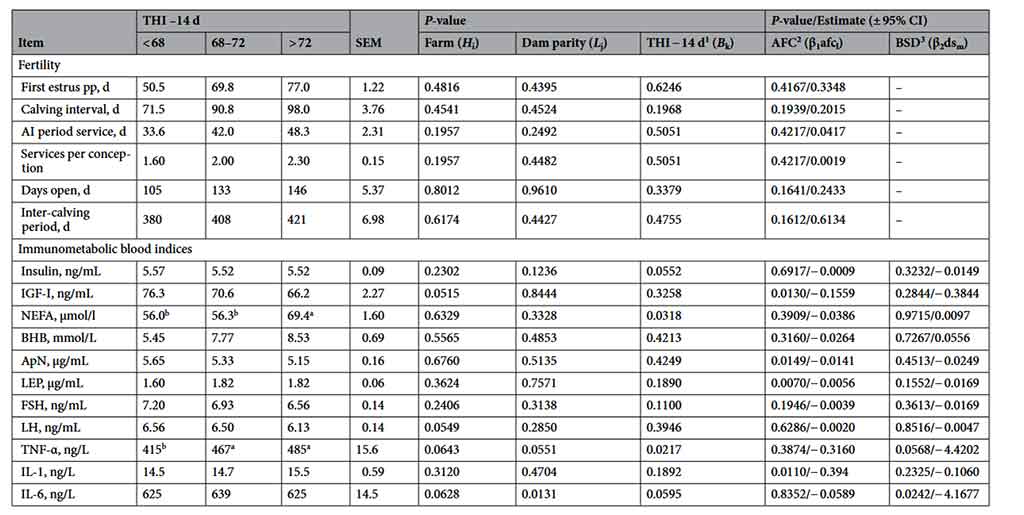
Table 4. Effect of temperature-humidity index (THI) in the 21 days before calving on fertility indices of lactating cows and blood immunometabolic indices.
THI − 21 days = temperature-humidity index calculated in the 21 days before calving, which was divided into three categories:
THI < 68 as thermal comfort zone (n = 31),
68–72 as mild heat stress (n = 35),
THI > 72 as heat stress for lactating cows (n = 34).
AFC = age at first calving.
BSD = day of blood sampling.
a,b Means of explanatory variables in THI categories at 21 days before calving, which are marked with different letters in the same row, were significantly different (P ≤ 0.05).
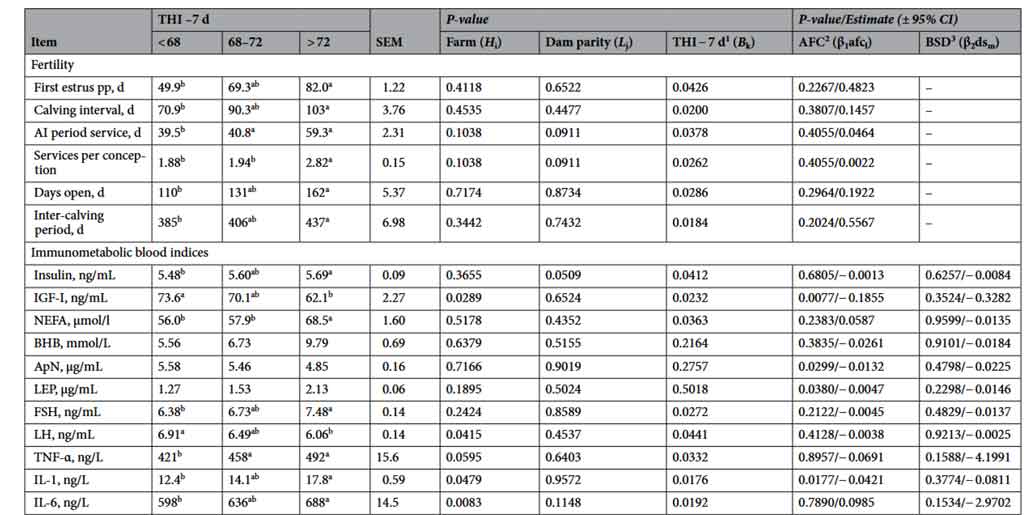
Table 5. Effect of temperature-humidity index (THI) at 14 days before calving on fertility indices of lactating cows and blood immunometabolic indices.
THI − 14 days = temperature-humidity index calculated at 14 days before calving, which was divided into three categories:
THI < 68 as thermal comfort zone (n = 31),
68–72 as mild heat stress (n = 31),
THI > 72 as heat stress for lactating cows (n = 38).
AFC = age at first calving.
BSD = day of blood sampling.
a,b Means of explanatory variables in THI categories at 14 days before calving, which are marked with different letters in the same row, were significantly different (P ≤ 0.05).
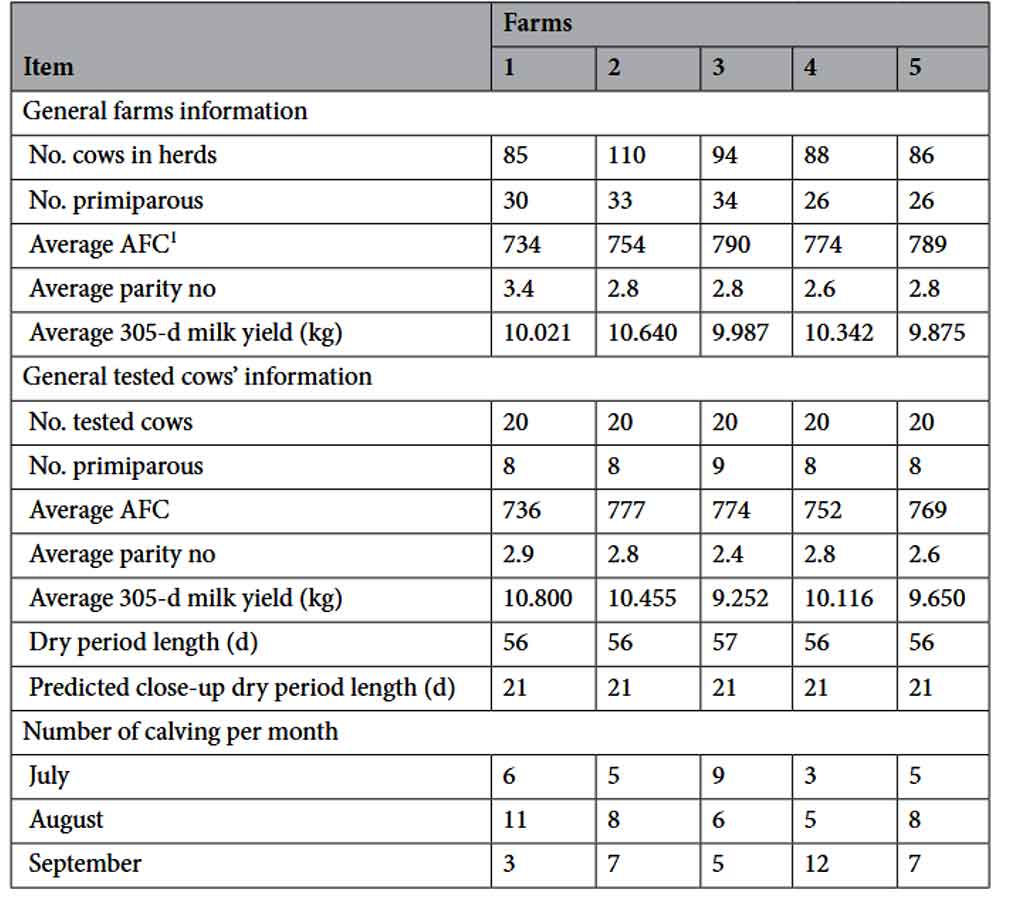
Table 6. Effect of temperature-humidity index (THI) at 7 days before calving on fertility indices of lactating cows and blood immunometabolic indices.
THI − 7 days = temperature-humidity index calculated at 7 days before calving, which was divided into three categories:
THI < 68 as thermal comfort zone (n = 31),
68–72 as mild heat stress (n = 31),
THI > 72 as heat stress for lactating cows (n = 38).
AFC = age at first calving.
BSD = day of blood sampling.
a,b Means of explanatory variables in THI categories in the 7 days before calving, marked with different letters in the same row, were significantly different (P ≤ 0.05).

Table 7. General characteristics of farms and lactating cows.
AFC — Age at first calving.
Table 8. Descriptive statistics of the evaluated parameters (explanatory variables) in the dry period close to calving of lactating cows.
THI − 21 days = Temperature-humidity index calculated in the 21 days before calving, divided into three categories:
THI < 68 as thermal comfort zone (n = 31),
68–72 as mild heat stress (n = 35),
THI > 72 as heat stress for lactating cows (n = 34).
THI − 14 days = Temperature-Humidity Index calculated 14 days before calving, divided into three categories:
THI < 68 as thermal comfort zone (n = 31),
68–72 as mild heat stress (n = 31),
THI > 72 as heat stress for lactating cows (n = 38).
THI − 7 days = Temperature-Humidity Index calculated 7 days before calving, divided into three categories:
THI < 68 as thermal comfort zone (n = 31),
68–72 as mild heat stress (n = 31),
THI > 72 as heat stress for lactating cows (n = 38).
References
- Herbut, P., Angrecka, S. & Walczak, J. Environmental parameters to assessing of heat stress in dairy cattle-a review. Int. J. Biometeorol. 62(12), 2089–2097 (2018).
- Naumann, G., Cammalleri, C., Mentaschi, L. & Feyen, L. Increased economic drought impacts in Europe with anthropogenic warming. Nat. Clim. Change 11, 485–491 (2021).
- Hou, Y. et al. Comparing responses of dairy cows to short-term and long-term heat stress in climate-controlled chambers. J. Dairy Sci. 104(2), 2346–2356 (2021).
- West, J. W. Effects of heat-stress on production in dairy cattle. J. Dairy Sci. 86, 2131–2144 (2003).
- Ouellet, V., Bellavance, A. L., Fournel, S. & Charbonneau, E. Short communication: Summer on-farm environmental condition assessments in Quebec tie-stall farms and adaptation of temperature-humidity index calculated with local meteorological data. J. Dairy Sci. 102(8), 7503–7508 (2019).
- Gauly, M. et al. Future consequences and challenges for dairy cow production systems arising from climate change in Central Europe—A review. Animal 7(5), 843–859 (2013).
- Zimbelman, R. B. et al. A re-evaluation of the impact of temperature humidity index (THI) and black globe humidity index (BGHI) on milk production in high-producing dairy cows. Proceedings of Southwest Nutrition and Management Conference, University of Arizona, Reno, NV, USA, 158–169 (2009).
- Fabris, T. F. et al. Effect of heat stress during early, late, and entire dry periods on dairy cattle. J. Dairy Sci. 102(6), 5647–5656 (2019).
- Hammami, H., Bormann, J., M’Hamdi, N., Montaldo, H. H. & Gengler, N. Evaluation of heat stress effects on production traits and somatic cell score of Holsteins in a temperate environment. J. Dairy Sci. 96(3), 1844–1855 (2013).
- Pinto, S., Hoffmann, G., Ammon, C. & Amon, T. Critical THI thresholds based on the physiological parameters of lactating dairy cows. J. Therm. Biol. 88, 102523 (2020).
- Menta, P. R. et al. Heat stress during the transition period is associated with impaired production, reproduction, and survival in dairy cows. J. Dairy Sci. 105(5), 4474–4489 (2022).
- Zachut, M. & Contreras, G. A. Symposium review: Mechanistic insights into adipose tissue inflammation and oxidative stress in periparturient dairy cows. J. Dairy Sci. 105(4), 3670–3686 (2022).
- Rhoads, M. L. et al. Effects of heat stress and the plane of nutrition on lactating Holstein cows: I. Production, metabolism, and aspects of circulating somatotropin. J. Dairy Sci. 92, 1986–1997 (2009).
- Seyed Almoosavi, S. M. M. et al. Effects of late-gestation heat stress independent of reduced feed intake on colostrum, metabolism at calving, and milk yield in early lactation of dairy cows. J. Dairy Sci. 104(2), 1744–1758 (2021).
- Hut, P. R., Scheurwater, J., Nielen, M., van den Broek, J. & Hostens, M. M. Heat stress in a temperate climate leads to adapted sensor-based behavioral patterns of dairy cows. J. Dairy Sci. 105(8), 6909–6922 (2022).
- Stefanska, B. et al. The effect of heat stress on performance, fertility, and adipokines involved in regulating systemic immune response during lipolysis of early lactating dairy cows. J. Dairy Sci. 107(4), 2111–2128 (2024).
- Heirbaut, S. et al. Combination of milk variables and on-farm data as an improved diagnostic tool for metabolic status evaluation in dairy cattle during the transition period. J. Dairy Sci. 107(1), 476–494 (2024).
- Sheldon, I. M., Cronin, J. G. & Bromfield, J. J. Tolerance and innate immunity shape the development of postpartum uterine disease and the impact of endometritis in dairy cattle. Annu. Rev. Anim. Biosci. 7, 361–384 (2019).
- Abuelo, A., Hernandez, J., Benedito, J. L. & Castillo, C. Redox biology in transition periods of dairy cattle: Role in the health of periparturient and neonatal animals. Antioxidants (Basel) 8, 20 (2019).
- Lemal, P., May, K., Konig, S., Schroyen, M. & Gengler, N. Invited review: From heat stress to disease-immune response and candidate genes involved in cattle thermotolerance. J. Dairy Sci. 106(7), 4471–4488 (2023).
- Negron-Perez, V. M., Fausnacht, D. W. & Rhoads, M. L. Invited review: Management strategies capable of improving the reproductive performance of heat-stressed dairy cattle. J. Dairy Sci. 102(12), 10695–10710 (2019).
- Laporta, J. ADSA foundation scholar award: Early-life exposure to hyperthermia: Productive and physiological outcomes, costs, and opportunities. J. Dairy Sci. 104(11), 11337–11347 (2021).
- Davidson, B. D. et al. Late-gestation heat stress abatement in dairy heifers promotes thermoregulation and improves productivity. J. Dairy Sci. 104(2), 2357–2368.
- Davidson, B. D., Dado-Senn, B., Ouellet, V., Dahl, G. E. & Laporta, J. Effect of late-gestation heat stress in nulliparous heifers on postnatal growth, passive transfer of immunoglobulin G, and thermoregulation of their calves. JDS Commun. 2(3), 165–169 (2021).
- Wang, J. et al. Heat stress on calves and heifers: A review. J. Anim. Sci. Biotechnol. 11, 79 (2020).
- Coleman, D. N. et al. Rumen-protected methionine during heat stress alters mTOR, insulin signaling, and 1-carbon metabolism protein abundance in the liver, and whole-blood transculturation pathway genes in Holstein cows. J. Dairy Sci. 105(9), 7787–7804 (2022).
- Danesh Mesgaran, M. et al. Rumen-protected zinc-methionine dietary inclusion alters dairy cow performances, and oxidative and inflammatory status under long-term environmental heat stress. Front. Vet. Sci. 9, 935–939 (2022).
- Grinter, L. N., Mazon, G. & Costa, J. H. C. Voluntary heat stress abatement system for dairy cows: Does it mitigate the effects of heat stress on physiology and behavior?. J. Dairy Sci. 106(1), 519–533 (2023).
- Lambertz, C., Sanker, C. & Gauly, M. Climatic effects on milk production traits and somatic cell score in lactating Holstein-Friesian cows in different housing systems. J. Dairy Sci. 97(1), 319–329 (2014).
- Fabris, T. F. et al. Effect of nutritional immunomodulation and heat stress during the dry period on subsequent performance of cows. J. Dairy Sci. 100(8), 6733–6742 (2017).
- Skibiel, A. L. et al. Carry-over effects of dry period heat stress on the mammary gland proteome and phosphoproteome in the subsequent lactation of dairy cows. Sci. Rep. 12(1), 6637 (2022).
- Bohmanova, J., Misztal, I. & Cole, J. B. Temperature-humidity indices as indicators of milk production losses due to heat stress. J. Dairy Sci. 90(4), 1947–1956 (2007).
- Gomes, C. G. et al. Effects of evaporative cooling prepartum and vitamin E supplementation on performance of Holstein cows during summer in Florida. J. Dairy Sci. 96, 242 (2013).
- Tao, S. et al. Impact of heat stress on lactational performance of dairy cows. Theriogenology 150, 437–444 (2020).
- Tao, S. et al. Effect of heat stress during the dry period on mammary gland development. J. Dairy Sci. 94(12), 5976–5986 (2011).
- Dado-Senn, B., Skibiel, A. L., Fabris, T. F., Dahl, G. E. & Laporta, J. Dry period heat stress induces microstructural changes in the lactating mammary gland. PLoS One 14(9), e0222120 (2019).
- Baumgard, L. H. & Rhoads, R. P. Jr. Effects of heat stress on postabsorptive metabolism and energetics. Annu. Rev. Anim. Biosci. 1, 311–337 (2013).
- Rhoads, M. L. et al. Effects of heat stress and nutrition on lactating Holstein cows: II. Aspects of hepatic growth hormone responsiveness. J. Dairy Sci. 93(1), 170–179 (2010).
- Becker, C. A., Collier, R. J. & Stone, A. E. Invited review: Physiological and behavioral effects of heat stress in dairy cows. J. Dairy Sci. 103(8), 6751–6770 (2020).
- Summer, A., Lora, I., Formaggioni, P. & Gottardo, F. Impact of heat stress on milk and meat production. Anim. Front. 9(1), 39–46 (2019).
- Gao, S. T. et al. The effects of heat stress on protein metabolism in lactating Holstein cows. J. Dairy Sci. 100(6), 5040–5049 (2017).
- Tao, S. & Dahl, G. E. Invited review: heat stress effects during late gestation on dry cows and their calves. J. Dairy Sci. 96(7), 4079–4093 (2013).
- Bernabucci, U. et al. Metabolic and hormonal acclimation to heat stress in domesticated ruminants. Animal 4(7), 1167–1183 (2010).
- Stefanska, B. et al. The effect of body condition score on the biochemical blood indices and reproductive performance of dairy cows. Ann. Anim. Sci. 16, 129–143 (2016).
- de Amaral, B. C. et al. Heat-stress abatement during the dry period: does cooling improve the transition into lactation?. J. Dairy Sci. 92(12), 5988–5999 (2009).
- Rico, D. E. & Razzaghi, A. Animal board invited review: The contribution of adipose stores to milk fat: Implications on optimal nutritional strategies to increase milk fat synthesis in dairy cows. Animal 17(4), 100735 (2023).
- Bell, A. W. Regulation of organic nutrient metabolism during transition from late pregnancy to early lactation. J. Anim. Sci. 73(9), 2804–2819 (1995).
- Miller, P. S., Reis, B. L., Calvert, C. C., DePeters, E. J. & Baldwin, R. L. Patterns of nutrient uptake by the mammary glands of lactating dairy cows. J. Dairy Sci. 74(11), 3791–3799 (1991).
- Rukkwamsuk, T., Geelen, M. J., Kruip, T. A. & Wensing, T. Interrelation of fatty acid composition in adipose tissue, serum, and liver of dairy cows during the development of fatty liver postpartum. J. Dairy Sci. 83(1), 52–59 (2000).
- Pullen, D. L., Palmquist, D. L. & Emery, R. S. Effect on days of lactation and methionine hydroxy analog on the incorporation of plasma fatty acids into plasma triglycerides. J. Dairy Sci. 72(1), 49–58 (1989).
- Mann, S. et al. Dry period plane of energy: Effects on feed intake, energy balance, milk production, and composition in transition dairy cows. J. Dairy Sci. 98(5), 3366–3382 (2015).
- Mann, S., Nydam, D. V., Lock, A. L., Overton, T. R. & McArt, J. A. A. Short communication: Association of milk fatty acids with early lactation hyperketonemia and elevated concentration of non-esterified fatty acids. J. Dairy Sci. 99(7), 5851–5857 (2016).
- Nielsen, M. O. & Jakobsen, K. Changes in mammary uptake of free fatty acids, triglyceride, cholesterol, and phospholipid in relation to milk synthesis during lactation in goats. Comp. Biochem. Physiol. Part A Mol. Integr. Physiol. 109(4), 857–867 (1994).
- Hammami, H. et al. Genetic analysis of heat stress effects on yield traits, udder health, and fatty acids of Walloon Holstein cows. J. Dairy Sci. 98(7), 4956–4968 (2015).
- Komisarek, J., Stefanska, B. & Nowak, W. The effect of ruminal fluid pH on milk fatty acids composition in cattle. Ann. Anim. Sci. 22(2), 625–631 (2022).
- Bertocchi, L. et al. Seasonal variations in the composition of Holstein cow’s milk and temperature-humidity index relationship. Animal. 8(4), 667–674 (2014).
- Tao, S. et al. Symposium review: The influences of heat stress on bovine mammary gland function. J. Dairy Sci. 101(6), 5642–5654 (2018).
- Das, R. et al. Impact of heat stress on health and performance of dairy animals: A review. Vet. World. 9(3), 260–268 (2016).
- Dash, S. et al. Effect of heat stress on reproductive performances of dairy cattle and buffaloes: A review. Vet. World. 9(3), 235–244 (2016).
- Roth, Z. Influence of heat stress on reproduction in dairy cows—Physiological and practical aspects. J. Anim. Sci. 98, 80–87 (2020).
- de Torres-Júnior, J. R. et al. Effect of maternal heat stress on follicular growth and oocyte competence in Bos indicus cattle. Theriogenology 69, 155–166 (2008).
- Chawicha, T. G. & Mummed, Y. Y. An overview of how heat stress impacts dairy cattle fertility. Multidiscip. Rev. 5(3), e2022014 (2022).
- Silva, J. R., van den Hurk, R. & Figueiredo, J. R. Ovarian follicle development in vitro and oocyte competence: Advance and challenges for farm animals. Domest. Anim. Endocrinol. 55, 123–135 (2016).
- Roth, Z., Meidan, R., Shaham-Albalancy, A., Braw-Tal, R. & Wolfenson, D. Delayed effect of heat stress on steroid production in medium-sized and preovulatory bovine follicles. Reproduction 121(5), 745–751 (2001).
- Morton, J. M., Tranter, W. P., Mayer, D. G. & Jonsson, N. N. Effects of environmental heat on conception rates in lactating dairy cows: Critical periods of exposure. J. Dairy Sci. 90(5), 2271–2278 (2007).
- Schuller, L. K., Burfeind, O. & Heuwieser, W. Impact of heat stress on conception rate of dairy cows in the moderate climate considering different temperature-humidity index thresholds, periods relative to breeding, and heat load indices. Theriogenology 81(8), 1050–1057 (2014).
- Collier, R. J., Dahl, G. E. & VanBaale, M. J. Major advances associated with environmental effects on dairy cattle. J. Dairy Sci. 89(4), 1244–1253 (2006).
- Lee, J. I. & Kim, I. H. Pregnancy loss in dairy cows: The contributing factors, the effects on reproductive performance and the economic impact. J. Vet. Sci. 8(3), 283–288 (2007).
- Bagath, M. et al. The impact of heat stress on the immune system in dairy cattle: A review. Res. Vet. Sci. 126, 94–102 (2019).
- Evans, S. S., Repasky, E. A. & Fisher, D. T. Fever and the thermal regulation of immunity: The immune system feels the heat. Nat. Rev. Immunol. 15(6), 335–349 (2015).
- Chen, S. et al. Exposure to a heat-stress environment affects the physiology, circulation levels of cytokines, and microbiome in dairy cows. Sci. Rep. 8(1), 14606 (2018).
- Trevisi, E., Amadori, M., Cogrossi, S., Razzuoli, E. & Bertoni, G. Metabolic stress and inflammatory response in high-yielding, periparturient dairy cows. Res. Vet. Sci. 93(2), 695–704 (2012).
- Bailey, T., Sheets, J., McClary, D., Smith, S., & Bridges, A. Heat abatement. Elanco Dairy Business Unit. https:// assets. ctfas sets. net. (2016).
- National Research Council (NRC). Nutrient requirements of dairy cattle. 7th revised edition. Natl. Acad. Sci., Washington, DC, USA. (2001).
- Edmonson, A. J., Lean, I. J., Weave, L. D., Farvel, T. & Webster, G. A body condition scoring chart for Holstein dairy cows. J. Dairy Sci. 72, 68–78 (1989).
- National Research Council (NRC). A Guide to Environmental Research on Animals. Natl. Acad. Sci., Washington, DC. (1971).
- SAS Institute. Statistical Analysis Software User’s Guide. 9.4. version. SAS Institute Inc., Cary, NC. (2014).
- European Commission Directive 2010/63/EU of the European Parliament and of the Council of 22 September 2010 on the protection of animals used for scientific purposes. Off J Eur Comm of 10 October 2010 L 276/33 (2010).