Introduction
In the livestock and poultry industry, ensuring health and improving production performance are of particular importance. One of the new and effective solutions in this field is the use of livestock probiotics and poultry probiotics. As a suitable alternative to antibiotics, these compounds play a key role in strengthening the immune system and improving growth performance. In this article, we will examine the types of livestock and poultry probiotics and their role in optimizing livestock and poultry production.
What is a probiotic?
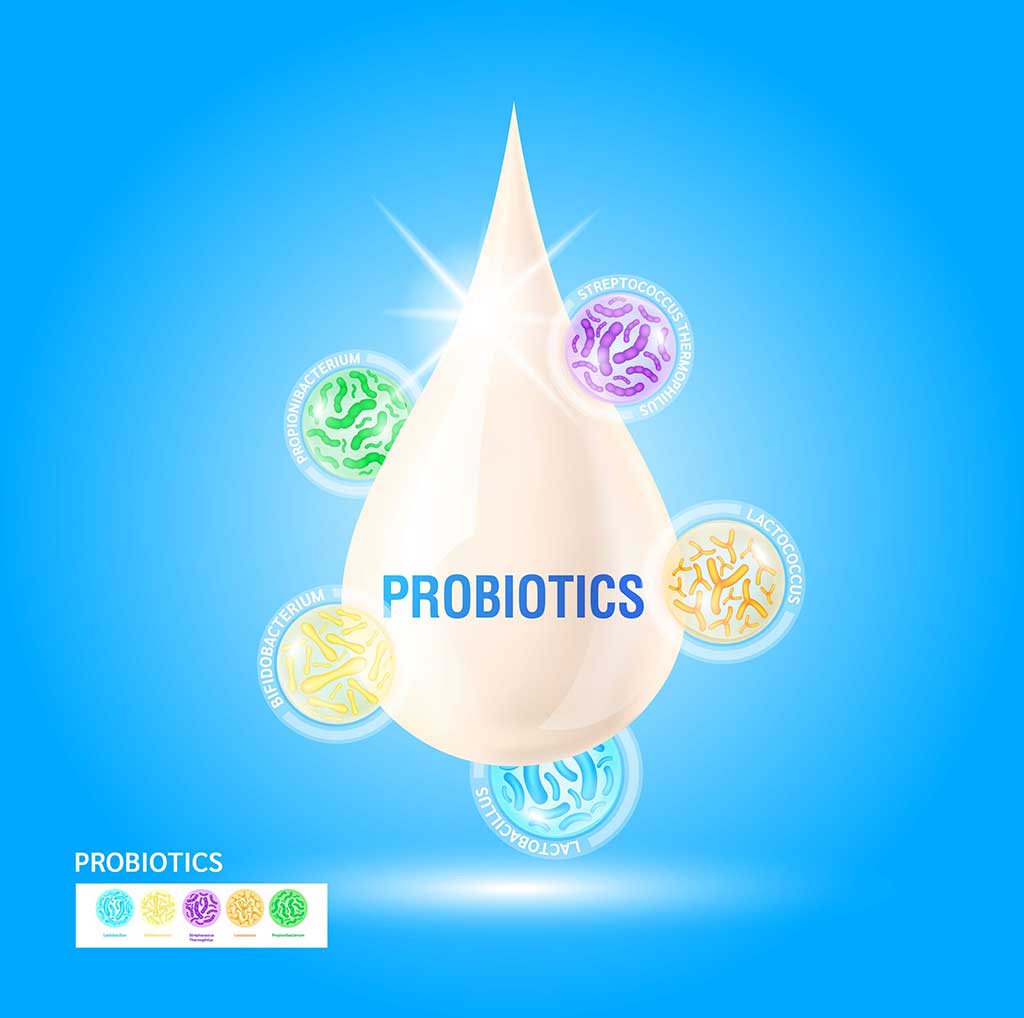
Probiotics are a set of beneficial microorganisms that, by entering the digestive tract of livestock and poultry, help maintain microbial balance and increase the overall health of the body. These microorganisms include beneficial bacteria such as Lactobacillus and Bifidobacterium, which facilitate improved digestion and absorption of nutrients in the livestock and poultry body.
Types of Livestock Probiotics
1. Light Livestock Probiotics
Light livestock probiotics contain beneficial compounds that are used to improve digestive health and increase milk and meat production in livestock such as sheep and goats. These compounds can reduce digestive problems such as diarrhea and strengthen the livestock’s immune system.
2. Heavy livestock probiotics
In livestock such as cattle and camels, the use of heavy livestock probiotics can have a positive effect on weight gain, improve digestive function and reduce the need for antibiotics.
3. Dairy cow probiotics
Dairy cows require a healthy digestive tract to produce maximum milk. Dairy cow probiotics help increase milk production efficiency, reduce intestinal inflammation and strengthen the cow’s immune system.
4. Fattening cattle probiotics
In fattening cows, rapid growth and optimal weight gain are the main goals. The use of feedlot probiotics can improve growth performance, increase feed conversion ratio and reduce breeding costs.
Types of poultry probiotics
1. Broiler probiotics
Brooder hens require a strong immune system and proper nutrition to produce healthy chicks. The use of brooder probiotics can increase egg production efficiency, reduce diseases and improve chick quality.
2. Laying hen probiotics
The quality and number of eggs produced in laying hens are of great importance. Laying hen probiotics increase egg production by improving intestinal health and increasing nutrient absorption.
3. Broiler probiotics
In the poultry industry, rapid growth and optimization of nutrition are the most important goals. Broiler probiotics improve growth performance, increase disease resistance and reduce the need for chemical drugs.
Benefits of using livestock and poultry probiotics
Improving digestive health and reducing digestion-related problems
Strengthening the immune system and increasing resistance to diseases
Reducing the need for antibiotics and reducing the risk of antibiotic resistance
Increasing production efficiency in livestock and poultry
Improving the quality of milk, meat and eggs
Conclusion
The use of livestock and poultry probiotics is of particular importance in livestock and poultry management. As one of the leaders in this field, Chitika Company has contributed significantly to improving the health and productivity of the livestock and poultry industry by providing high-quality and effective probiotic products. If you are looking to improve the quality and increase the efficiency of your livestock and poultry, using Chitika probiotics will be an ideal choice.
Final decision: Why Chitika?
Chitika Company, by providing specialized products in the field of livestock and poultry probiotics, offers a scientific and practical solution to improve livestock and poultry health and increase the productivity of the breeding industry. By choosing Chitika, take an effective step towards optimizing your livestock and poultry production.